

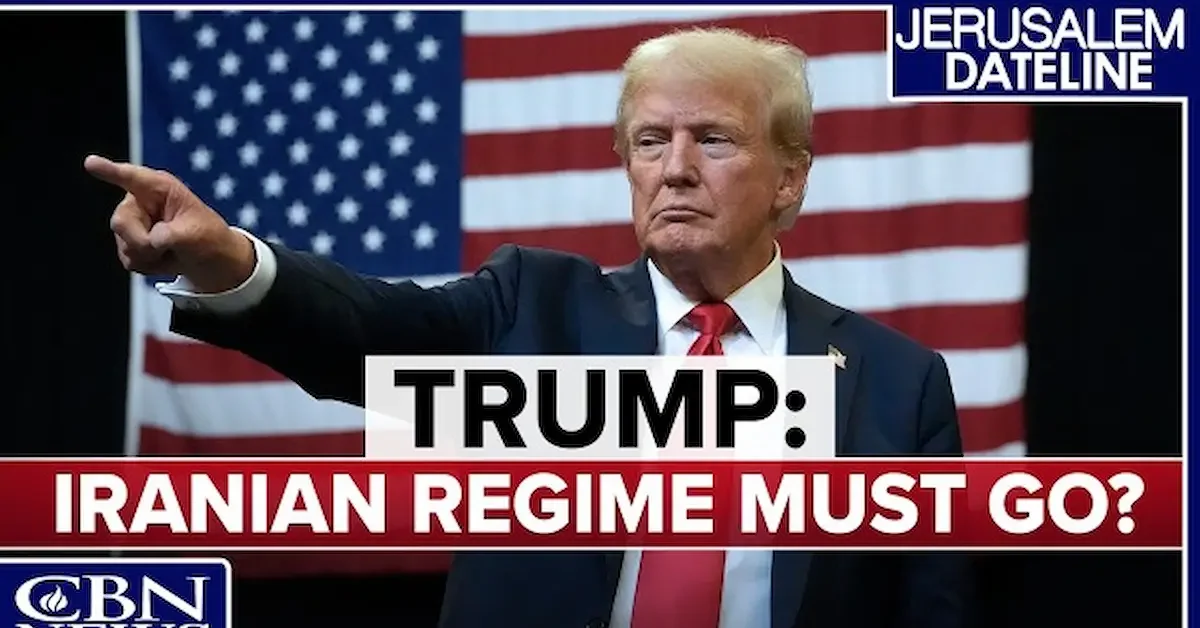
Iran Israel News has become one of the most closely followed international news topics because tensions between the two countries have affected the Middle East and raised concerns around the world. The conflict involves military activities, political disagreements, regional security issues, and international diplomatic efforts. Many people are following these developments to understand what is happening and how the situation could affect other countries.
As of November 2026, tensions remain high following the war that began in February between Iran, Israel, and the United States. Recent reports have highlighted drone attacks targeting a US military radar facility in Bahrain, growing security concerns around the Strait of Hormuz, and diplomatic discussions involving Iran and Oman. Efforts to reduce tensions are continuing, but several important disagreements remain unresolved. Reuters+2
The Iran-Israel conflict is important because its effects can reach beyond the two countries. Military developments may affect neighbouring nations, international trade, oil prices, shipping routes, and the global economy. The situation also raises concerns about civilian safety and the possibility of further regional instability.
In this article, we will explore the latest Iran Israel News, the background of the conflict, the main reasons behind the tensions, and the role of the United States and other countries. We will also discuss the possible economic effects and ongoing diplomatic efforts to understand what may happen next.
What Is the Latest Iran Israel News?
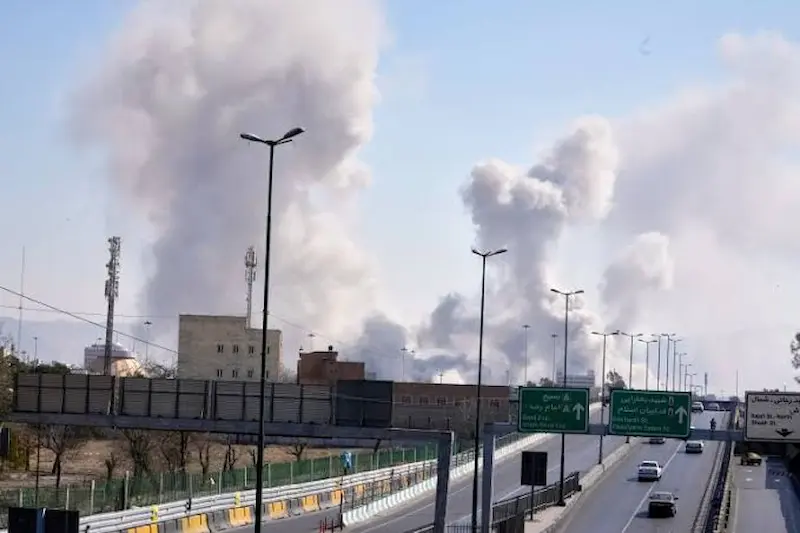
The latest Iran Israel News highlights continuing military tensions, security concerns, and diplomatic efforts across the Middle East. The situation remains serious because the conflict involves Iran, Israel, the United States, and several other countries in the region.
As of November 17, 2026, one major development is Iran’s reported drone attack targeting a US military radar system at Sheikh Isa base in Bahrain. Bahrain said its air defence systems intercepted the attack and reported no casualties or damage. Iran’s Islamic Revolutionary Guard Corps claimed responsibility for targeting the facility. Investing.com Canada+1
Rising Tensions Across the Gulf Region
Military activities and security concerns have increased around the Gulf region. Recent reports have also highlighted attacks on commercial vessels near the Strait of Hormuz. These incidents have raised concerns about the safety of international shipping and the movement of oil and gas supplies.
The Strait of Hormuz is particularly important because it is a major route for international energy transportation. Any long-term disruption could affect oil supplies, shipping costs, and global markets. Investing.com Canada+1
Iran and Oman Continue Diplomatic Discussions
Despite military tensions, diplomatic efforts are still taking place. On November 17, Iranian Foreign Minister Abbas Araqchi visited Oman to discuss maritime security, international shipping, and ways to prevent further escalation.
Qatar has also been involved in mediation efforts between the concerned parties. These discussions aim to reduce disagreements and create opportunities for further negotiations. However, no confirmed agreement to end the conflict has been announced. Investing.com Canada+1
Concerns About Nuclear Activities
Iran’s nuclear programme remains another important issue in the conflict. International concerns focus on Iran’s nuclear facilities, uranium enrichment activities, and the possibility of further restrictions or inspections. Iran Israel News
According to a November 17 report by Dawn, an Iranian deputy foreign minister said that international nuclear inspectors would not be allowed to visit certain damaged facilities until the war ended and Iran’s conditions were met. This issue remains an important obstacle in discussions about long-term security and peace. Dawn Iran Israel News
Why Are These Developments Important?
The latest developments matter because the conflict can affect more than just Iran and Israel. Continued military activity may increase regional security risks, disrupt international trade, and create uncertainty in energy markets. Iran Israel News
For ordinary people, these developments can also affect fuel prices, transportation costs, business activities, and economic stability. This is why Iran Israel News continues to attract attention from governments, businesses, and readers around the world. Iran Israel News
The situation is developing, and military claims should be checked against independent reporting before being treated as confirmed facts.
Background of Iran and Israel Relations
The relationship between Iran and Israel has changed significantly over the years. Although the two countries once maintained friendly relations, their political and regional differences gradually created serious tensions. Understanding this history helps readers understand why the two countries have become involved in a long-running conflict. Iran Israel News
Iran and Israel Had Friendly Relations in the Past
Before the 1979 Iranian Revolution, Iran and Israel maintained diplomatic and economic connections. Iran was governed by Shah Mohammad Reza Pahlavi, whose government had working relationships with Israel. Both countries also shared certain regional security interests. Iran Israel News
During this period, trade, energy cooperation, and political communication helped maintain their relationship. However, this situation changed after the Iranian Revolution. Iran Israel News
The 1979 Iranian Revolution Changed Everything
A major turning point came in 1979 when the Iranian Revolution removed the monarchy and established the Islamic Republic under Ayatollah Ruhollah Khomeini. The new Iranian government adopted a strongly anti-Israel foreign policy and ended the previous relationship between the two countries. Iran Israel News
Iran stopped its official diplomatic relations with Israel and began supporting Palestinian causes. This political change created a new period of hostility and made relations between the two governments increasingly difficult. Encyclopaedia Iranica+1
Growing Tensions After the Revolution
During the following decades, disagreements between Iran and Israel became more serious. Iran developed stronger relationships with regional groups opposed to Israel, including Hezbollah in Lebanon. Israel viewed Iran’s regional influence and military support for these groups as major security concerns.
At the same time, Iran criticized Israeli policies toward Palestinians and continued to oppose Israel’s influence in the Middle East. These disagreements contributed to a growing regional rivalry. The Iran Primer+1
How the Nuclear Programme Increased Tensions
Iran’s nuclear programme became another major source of disagreement. Israel has repeatedly expressed concerns that Iran’s nuclear activities could create a serious security threat. Iran, however, has maintained that its nuclear programme serves peaceful purposes. Iran Israel News
International negotiations, economic sanctions, and discussions about nuclear inspections have become important parts of the disagreement. The issue has also increased diplomatic tensions between Iran, Israel, and Western countries. Iran Israel News
From Political Rivalry to Direct Military Confrontation
For many years, Iran and Israel were involved in indirect confrontations through regional allies, military operations, and security activities. However, tensions eventually developed into direct exchanges of military attacks. Iran Israel News
These developments made the conflict more serious and increased concerns about a wider Middle East crisis. Today, the history of their relationship remains important for understanding the political, military, and diplomatic developments reported in Iran Israel News. Iran Israel News
Why Are Iran and Israel in Conflict?
Iran and Israel are involved in a long-running political and military conflict. Their disagreements are connected to national security, nuclear activities, regional influence, and different political positions. These issues have created distrust between the two governments and contributed to repeated military confrontations. Iran Israel News
Understanding the main reasons behind the conflict makes it easier to follow Iran Israel News and understand why tensions continue.
1. Disagreements Over Regional Influence
One major reason for the conflict is the competition for political and military influence in the Middle East. Both countries have different relationships with neighbouring governments and regional groups.
Iran supports several armed groups in the region, including Hezbollah in Lebanon. Israel considers the military activities of these groups a security threat. Iran, meanwhile, views its regional partnerships as part of its broader security strategy.
These competing interests have increased tensions and made cooperation between the two countries difficult.
2. Iran’s Nuclear Programme
Iran’s nuclear programme is another major source of disagreement. Iran says its nuclear activities are intended for peaceful purposes, including scientific research and energy production.
However, Israel and several Western countries have expressed concerns about uranium enrichment and the possibility that Iran could develop nuclear weapons.
The disagreement has led to international negotiations, economic sanctions, and military tensions. Nuclear inspections and monitoring also remain important issues in discussions about regional security. The Washington Post+1
3. Israel’s National Security Concerns
Israel considers Iran’s military capabilities and regional activities important security concerns. Israeli officials have repeatedly warned about Iranian missile development, drone technology, and support for armed groups.
Israel argues that preventing potential threats is necessary to protect its population and national security. These concerns have influenced its military and diplomatic policies towards Iran.
4. Support for Regional Armed Groups
Iran has developed relationships with several armed groups across the Middle East. These include Hezbollah in Lebanon and the Houthi movement in Yemen.
Israel views the activities of these groups as part of a wider regional threat. Iran considers its support for regional allies an important part of its foreign and security policy.
This situation has contributed to indirect confrontations and increased instability in several parts of the Middle East.
5. Political and Ideological Differences
Iran and Israel also have major political and ideological disagreements. Since the 1979 Iranian Revolution, Iran’s government has maintained a strongly opposing position towards Israel.
Israel, on the other hand, views Iran’s political statements and regional policies as serious security concerns. Their different positions on Palestinian issues and Middle Eastern politics have further increased tensions.
6. International Sanctions and Diplomatic Disagreements
International sanctions against Iran have also contributed to the conflict. Several countries have imposed economic restrictions because of concerns about Iran’s nuclear programme and other regional activities.
Iran has criticized these restrictions and argued that they negatively affect its economy and people. Nuclear negotiations and disagreements over sanctions relief have made diplomatic progress more difficult.
Why Does This Conflict Matter?
The conflict matters because it affects regional security, international relations, energy markets, and ordinary people. Continued military tensions can increase uncertainty across the Middle East and create challenges for international trade.
Understanding these reasons helps readers follow the latest Iran Israel News without focusing only on individual attacks or political statements.
Major Events in the Iran-Israel Conflict
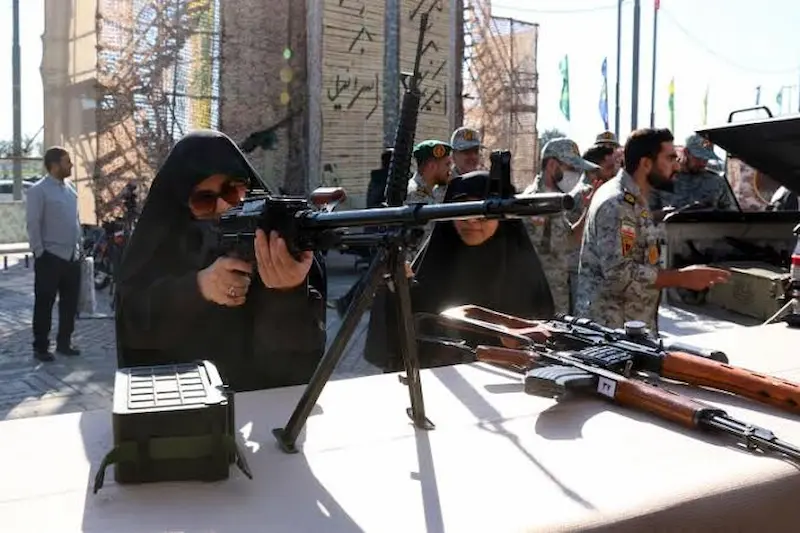
The Iran-Israel conflict has developed through several important political and military events. Over the years, disagreements between the two countries have moved from indirect confrontations to direct military attacks. These events have increased regional security concerns and attracted international attention.
Understanding the major events helps readers follow Iran Israel News and understand how the situation has developed.
1. The 1979 Iranian Revolution
The 1979 Iranian Revolution was an important turning point in relations between Iran and Israel. After the revolution, Iran established an Islamic Republic and adopted a strongly opposing position towards Israel. Diplomatic relations between the two countries ended, creating a long period of political hostility.
2. Growing Regional Tensions
During the following decades, Iran increased its regional influence through political and military relationships with different groups in the Middle East. Israel viewed some of these activities as threats to its national security.
Disagreements over Lebanon, Syria, Palestinian issues, and Iran’s nuclear programme further increased tensions.
3. Direct Attacks in April 2024
In April 2024, Iran launched a large-scale drone and missile attack against Israel. This followed an attack on an Iranian diplomatic compound in Damascus, which Iran attributed to Israel.
Israel and its partners intercepted most of the incoming projectiles. The incident was significant because it marked a major shift from indirect confrontation towards direct military exchanges.
4. Military Confrontation in October 2024
Tensions increased again in October 2024 when Iran launched another missile attack against Israel. Israel subsequently carried out military strikes against targets in Iran.
These developments increased concerns about a wider regional conflict and attracted international calls for restraint.
5. The June 2025 Conflict
In June 2025, Israel launched a major military operation against Iran, targeting military infrastructure and nuclear-related facilities. Iran responded with waves of ballistic missile attacks against Israel.
On June 22, the United States also carried out strikes against three Iranian nuclear sites, including facilities at Fordow, Natanz, and Isfahan. A ceasefire followed on June 24, bringing an end to that major period of direct fighting. Every CRS Report+1
6. The February 2026 War
Another major escalation began on February 28, 2026, when the United States and Israel launched joint attacks on Iran. The strikes targeted military and other strategic infrastructure and killed Iran’s Supreme Leader, Ali Khamenei, according to international reporting.
Iran responded with attacks against US-linked targets and other locations in the region. The conflict also created serious disruptions to international shipping and energy supplies. energypolicy.columbia.edu+1
7. Ceasefire and Diplomatic Efforts in 2026
In April 2026, Pakistan helped mediate a ceasefire between the United States and Iran. Further negotiations took place in June, resulting in an agreement aimed at reducing hostilities and reopening the Strait of Hormuz.
However, disagreements continued, and the agreement did not produce a lasting settlement. Shipping security, sanctions, and nuclear activities remained major issues. Council on Foreign Relations+1
8. Latest Developments in November 2026
In November 2026, military tensions and diplomatic discussions continued. Recent reports describe drone attacks targeting US military facilities in Bahrain, concerns about commercial shipping near the Strait of Hormuz, and discussions between Iranian and Omani officials.
These developments show that the situation remains complicated despite previous ceasefire and negotiation efforts. Reuters+1
Why Are These Events Important?
These major events explain how the relationship between Iran and Israel developed into a serious regional conflict. They also show how military decisions, nuclear disagreements, international involvement, and diplomatic negotiations have influenced the situation.
For readers following Iran Israel News, understanding this timeline provides useful background for making sense of current developments and their possible effects on the Middle East and the wider world.
Why Are Iran and Israel Fighting?
Iran and Israel are involved in a long-running conflict because of political disagreements, regional influence, nuclear activities, and national security concerns. Both countries have different positions on Middle Eastern politics, which has contributed to military tensions.
What Is the Latest Iran Israel News?
Iran Israel News focuses on continuing military tensions, regional security concerns, diplomatic discussions, and developments involving the United States. Readers should follow reliable news sources for confirmed updates because the situation can change quickly.
When Did the Iran-Israel Conflict Begin?
The modern political conflict between Iran and Israel began after the 1979 Iranian Revolution. Iran ended its previous diplomatic relationship with Israel and adopted a strongly opposing political position.
Conclusion
Iran Israel News remains an important topic because the conflict has significant effects on Middle Eastern security, international relations, and the global economy. Political disagreements, nuclear activities, military confrontations, and regional competition have contributed to tensions between the two countries over several decades.
The involvement of the United States and other international players has made the situation even more complicated. Although diplomatic discussions and peace efforts continue, several major issues remain unresolved. Continued attention to reliable news and verified information is important for understanding future developments.
Ultimately, reducing tensions through diplomacy, dialogue, and international cooperation will be important for improving regional stability and protecting civilians.
